

Kitchen and bathroom renovations often focus on finishes first. Cabinets, tile, fixtures, and paint usually get the most attention, while the electrical layout is treated as something that can be adjusted later. This approach frequently leads to last-minute changes, unexpected costs, or outlets and lighting that never quite work as intended. Electrical planning sets the foundation for how these spaces function every day.
Start With How You Actually Use the Space
Before thinking about outlets or switches, consider how the room is used from morning to night. In kitchens, this means mapping where food prep happens, where appliances are located, and where people tend to gather. Countertop areas used for cooking, charging devices, or small appliances often need more power access than homeowners expect. In bathrooms, daily routines matter just as much. Hair tools, electric toothbrushes, bidets, heated mirrors, and lighting all compete for power in a compact space.
This step helps prevent the common issue of having outlets placed for code compliance but not for real life. A coffee station tucked into a corner still needs power. A vanity drawer may conceal hair tools that require charging. When electrical placement aligns with actual habits, the space feels intuitive rather than frustrating.
Account for Modern Appliance and Fixture Loads
Renovations often include appliances or fixtures that draw more power than older models. Induction cooktops, double ovens, drawer microwaves, steam showers, whirlpool tubs, and heated flooring place higher demands on electrical systems. If these upgrades aren’t planned early, existing wiring or panel capacity may fall short.
Plan Outlet Placement for Function and Safety
Outlet placement has a direct impact on how usable the finished space feels. In kitchens, countertop outlets should be spaced to support food preparation without extension cords crossing work areas. Islands and peninsulas often require built-in outlets rather than last-minute additions. In bathrooms, outlet placement must balance convenience with moisture exposure.
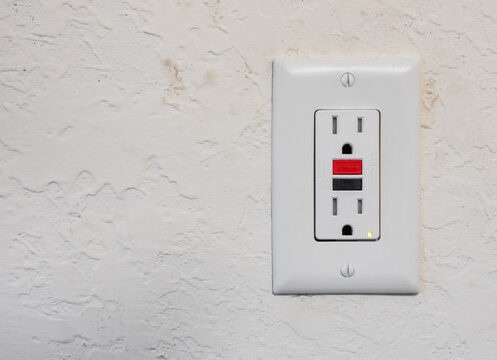
GFCI protection is required in both spaces, but thoughtful placement goes beyond code. You want outlets where you actually need them, not just where regulations allow. Planning outlet locations alongside cabinetry and fixture layouts helps avoid awkward placements hidden behind drawers or blocked by doors.
Lighting Should Match Tasks, Not Just Style
Lighting choices often lean decorative, but function matters more in kitchens and bathrooms. Task lighting under cabinets, over sinks, and near prep areas reduces eye strain and improves safety. In bathrooms, layered lighting supports grooming tasks while minimizing harsh shadows.
Switch placement matters just as much as fixture selection. Lights should be easy to control when entering the room, and separate controls allow lighting to be adjusted throughout the day. Dimmers add flexibility, especially in bathrooms used early in the morning or late at night.
Think Through Ventilation and Electrical Connections Together
Exhaust fans in bathrooms and range hoods in kitchens require careful electrical planning. These systems often share space with lighting, heating elements, or sensors. If ventilation is upgraded during a renovation, the electrical connections must support the new equipment.
Timers, humidity sensors, and variable-speed controls improve comfort but require compatible wiring. Planning these details early avoids patchwork solutions that compromise performance or appearance.
Confirm Panel Capacity and Circuit Layout
Renovations that add appliances, lighting, or specialty fixtures may push an electrical panel beyond its limits. Older homes often lack the spare capacity needed for modern kitchens and bathrooms. Checking panel space and circuit distribution early helps prevent mid-project surprises.
This step also allows circuits to be organized logically. Dedicated circuits for high-demand appliances reduce nuisance tripping and improve safety. Clear labeling makes future service easier and prevents confusion later.
Plan for Future Flexibility
Even well-designed renovations benefit from planning ahead. Extra conduit, accessible junction boxes, or spare panel capacity make future changes easier. You may not plan to add features now, but flexibility helps protect your investment.
Electrical Planning Sets the Tone for the Entire Renovation
Electrical planning shapes how kitchens and bathrooms function long after construction ends. When outlets, lighting, circuits, and controls are designed around real use, the space works the way it should. At GVEC Electrician Services in Gonzales, TX, we support renovation projects with electrical planning, upgrades, inspections, and code-compliant installations to help homeowners avoid costly changes later. Schedule a consultation today and build your renovation on a solid electrical foundation.